Back to Music Theory Fundamentals

Altered Chord

Altered chords are a type of chord modification in which one or more scale degrees in a standard chord are raised or lowered by a step. This alters the quality of the chord, often increasing the amount of tension it has, and can be used to add more complexity and color to a chord progression. Alterations are most commonly applied to the fifth or to an extension (such as the ninth or eleventh), and while any chord can be altered, they are most commonly found in V chords and secondary dominants.

For example, a V chord in the key of C major consists of the scale degrees 5, 7, and 2 (G, B, and D). An altered dominant chord might modify the fifth (D) by lowering it to D, creating a V(5), or raising it to D♯, creating a V(♯5). Similarly, extensions like the ninth (A) can be altered by being raised to A♯, creating a V(♯9) chord.

More than one alteration is possible, creating complex chords like V7(♯59). A V7(♯59) chord in C major, for instance, would contain G, B, D♯, and A.

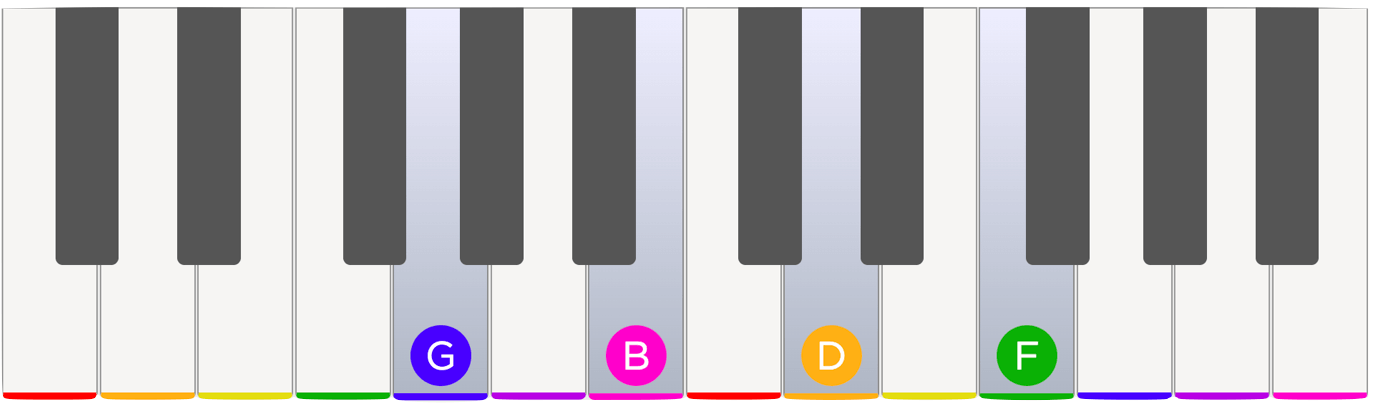
Below is a normal G7:

Below is an altered G7(♯5):
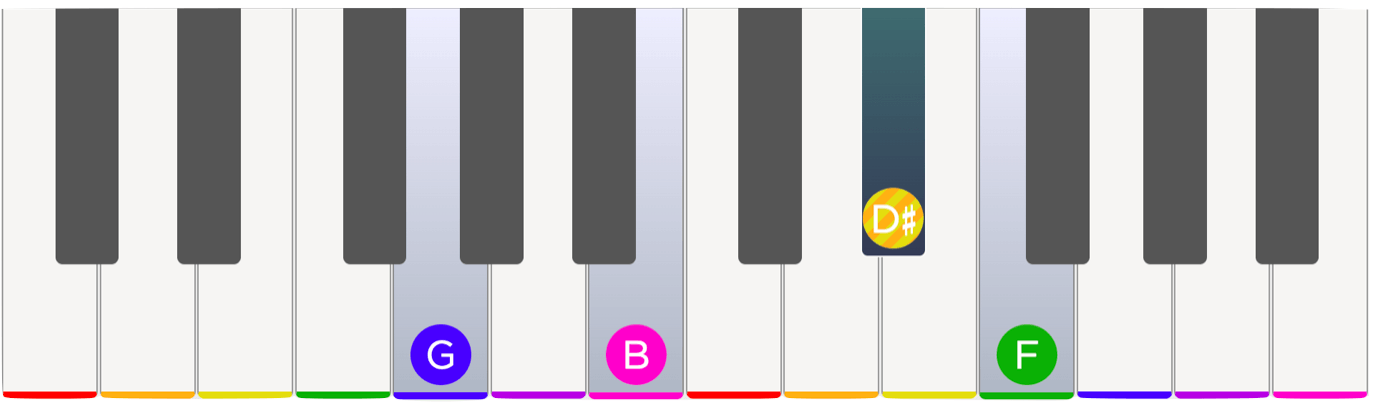
These alterations introduce tension, as the modified chord tones create dissonances that seek resolution. Altered chords are especially common in jazz and blues, as well as in other genres that make use of more complex harmonies.

One common use of altered chords is in cadences from V7 to I, where the raised or lowered tones in the V7 chord resolve smoothly to scale tones in the I chord. For instance, a V7(♯5) in C major (G, B, D♯, F) naturally resolves to I (C, E, G) as the altered fifth (D♯) moves up to E, strengthening the resolution.

The song "You've Got a Friend in Me" from the movie Toy Story by Randy Newman is an example of a song that uses altered dominant chords to add richness and tension to its progressions.


placeholder box

Other songs that use altered chords

Click on the following songs to see their chords and melody in the TheoryTab database.

I Want You Back
by Nsync
A Day In The Life
by The Beatles
He's Able
by Deitrick Haddon
Skyfall
by Adele
It Won't Be Long
by The Beatles
American Dad - Theme Song
by Walter Murphy
Family Guy - Theme Song
by Walter Murphy
Piano Sonata No 14 ''Moonlight'' 1st Movement
by Ludwig Van Beethoven
Mario Paint - Creative Exercises
by Nintendo
Bohemian Rhapsody
by Queen
The Simpsons Main Title Theme
by Danny Elfman
Want You Gone
by Jonathan Coulton and Ellen McLain
Yoshi's Island - Flower Garden
by Nintendo
Badinerie
by Johann Sebastian Bach
All The Things You Are
by Jerome Kern
Superstition
by Stevie Wonder
Mr Sandman
by The Chordettes
Don't Talk - Put Your Head On My Shoulder
by The Beach Boys
Cascade of the Seven Waterfalls
by Azymuth
If I Could
by 1927
Forget You
by Cee Lo Green
Don't Know Why
by Norah Jones
Space Dementia
by Muse
Exit Music (For a Film)
by Radiohead
Yeul's Theme
by Masashi Hamauzu
Stairway to Heaven
by Led Zeppelin
Smoke Gets In Your Eyes
by Jerome Kern
Symphony no 40 in G minor - I
by Wolfgang Amadeus Mozart
Have yourself a merry little Christmas
by Michael Buble
Uninvited
by Alanis Morissette
The Continuing Story of Bungalow Bill
by The Beatles
Oath to Order
by Koji Kondo
Super Mario Galaxy - Gusty Garden Galaxy
by Nintendo
Reflection
by Disney
I Don't Want To Spoil The Party
by The Beatles
Bridge over Troubled Water
by Simon and Garfunkel
Take A Bow
by Madonna
Kirby's Epic Yarn - Big-Bean Vine
by Nintendo
Museum Of Idiots
by They Might Be Giants
Dancing In The Moonlight
by King Harvest
All I Want For Christmas Is You
by Mariah Carey
Bad Day
by Daniel Powter
My Way
by Frank Sinatra
Orinico Flow
by Enya
Toxic
by Britney Spears
Life On Mars
by David Bowie
Nocturne in Eb
by Frederic Chopin
Final Toccata
by Michiru Yamane
Click Clock Wood
by Grant Kirkhope
Michelle
by The Beatles
Ken's Theme
by Capcom
Into The Great Wide Open
by Tom Petty
My Sweet Lord
by George Harrison
Hellfire
by Disney
Here There And Everywhere
by The Beatles
Peg
by Steely Dan
New
by Paul McCartney
**** You
by Lily Allen
Say Say Say
by Paul McCartney - Michael Jackson
Dance of the Sugar Plum Fairy
by Pyotr Ilyich Tchaikovsky
Born To Be Wild
by Steppenwolf
I Am the Walrus
by The Beatles
Breathe (In The Air)
by Pink Floyd
If I Fell
by The Beatles
Mas Que Nada
by Sergio Mendes and Brazil '66
Wonderful
by The Beach Boys
Mamma Mia
by ABBA
Dark Side
by Kelly Clarkson
We Intertwined
by The Hush Sound
What a Wonderful World
by Louis Armstrong
Once Upon A Dream Maleficent
by Disney Lana Del Rey
Near You Always
by Jewel
Dead Giveaway
by Schmoyoho
Back and Forth
by Haywyre
Lovefool
by The Cardigans
Turn Your Love Around
by George Benson
Soviet National Anthem
by Alexander Alexandrov
This Love
by Maroon 5
Where Your Eyes Don't Go
by They Might Be Giants
I'm Like A Lawyer
by Fall Out Boy
Can't Take My Eyes Off You
by Franki Valli
Everything's not lost
by Coldplay
Oh Darling
by The Beatles

Contents

Music Fundamentals

The 7 notes that are the building blocks of a song
The spacing between notes

Functional Harmony

The study of how chords work
Establishing the set of notes and chords used in a song
A powerful framework for understanding how songs work
Numbering notes within a key
Numbering chords within a key

Basic Chord Concepts

Chords naturally found in the key
Different chord sounds and their function
Different ways of playing or arranging the same chord
Ending a musical idea

Melody

A song's rhythmic framework
Understanding melody tension over chords

Advanced Chords

Using a different bass note to change a chord's sound
Adding one more note to the basic chords
Chords that temporarily shift the harmonic center
A chord with built in tension and release
A chord with an added tone that enriches its sound
Using chords from parallel modes for contrast and emotion
Jazz harmonic technique replacing dominant chords with chords a tritone away
Altered (raised or lowered) notes create tension and complexity in chords

Advanced Concepts in Harmony

Two ways to change a song's key
Borrowing chords from another key
New scales and home base chords for a different mood
Using notes within and outside a song's key
Progressions that connect the bass